You don’t lose an MBBS seat only because of low marks. You lose it because of one unchecked box, one mismatched document, or one incorrect upload.
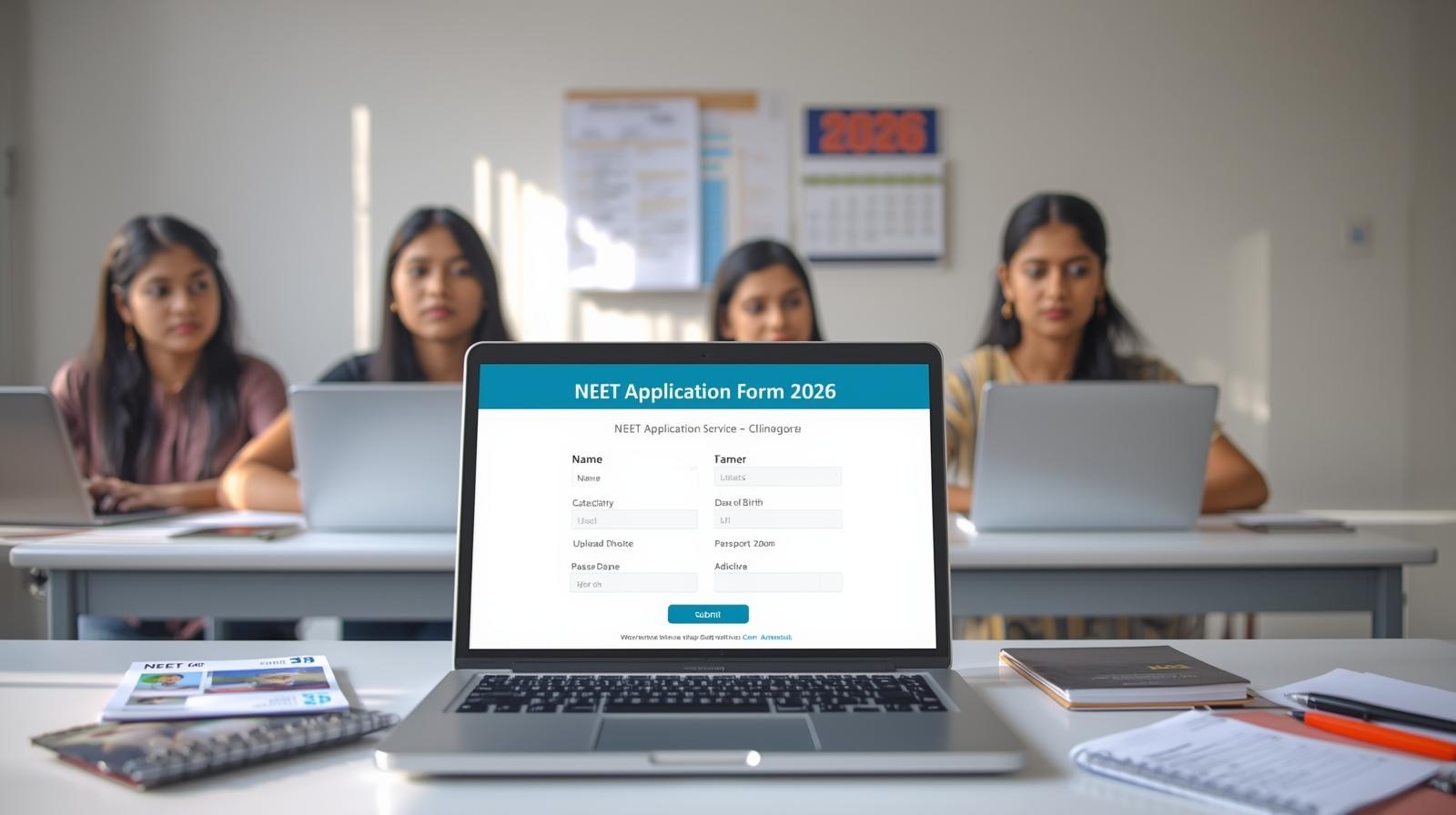
If you are targeting Direct MBBS Admission in India through NEET, preparation is not limited to mastering Physics, Chemistry, and Biology. The application form is a legally binding declaration submitted to a centralized authority. Every detail you enter — from your name spelling to your category certificate and photograph — must match official records exactly. Even a minor inconsistency can trigger rejection during verification, sometimes after you have already cleared the exam.
Thousands of aspirants face delays or cancellations each year due to preventable documentation errors. In a system where over 20 lakh students compete for limited seats, technical accuracy becomes as important as academic performance. This breakdown highlights the high-risk areas within the notification that serious candidates must review carefully before final submission.
Why Is NEET the Only Legal Route for MBBS in India?
Under the National Medical Commission framework, NEET is the single entrance examination for undergraduate medical programs across India. There is no separate entrance test for AIIMS, JIPMER, government, private, or deemed universities.
The structure and national mandate of the exam are outlined under the framework of the National Eligibility cum Entrance Test (UG), which governs centralized admission into MBBS programs.
For NEET 2026, the system remains centralized. That means:
-
All MBBS seats (government and private) require NEET qualification.
-
No parallel admission route exists outside NEET.
-
Counselling authorities rely entirely on NEET score data.
In 2025, over 22 lakh candidates appeared for NEET, while total MBBS seats were slightly above 1 lakh. With a selection ratio below 5%, even technical rejection becomes costly.
What Makes NEET 2026 Application Strictly Monitored?
The NEET 2026 application process is designed to eliminate impersonation and ensure transparency, especially for students aiming for Direct MBBS Admission. The system now uses multiple automated verification layers that leave very little room for error.
Key monitoring mechanisms include:
-
Aadhaar-based eKYC authentication to verify name, date of birth, and identity details.
-
Real-time live photograph capture during form submission to confirm applicant presence.
-
Digital facial recognition matching between uploaded and live images.
-
Automated document validation systems to detect incorrect formats or mismatched data.
These safeguards significantly reduce fraud. However, they also mean that even minor discrepancies can be flagged instantly, and manual correction opportunities are extremely limited.
If your identity details, photograph, or uploaded certificates do not align with official records, your form may be rejected before the exam.
Academic Qualification Requirements
You must have studied:
-
Physics
-
Chemistry
-
Biology/Biotechnology
-
English
Minimum qualifying marks depend on category.
Students frequently miscalculate PCB percentage or incorrectly round off decimals. Some enter overall aggregate instead of subject-specific aggregate. If declared marks differ from original certificates, counselling authorities can cancel admission.
How Does Aadhaar eKYC Affect Your Application?
For NEET 2026, Aadhaar authentication plays a significant role in identity validation.
The system verifies:
-
Name spelling
-
Date of birth
-
Gender
-
Photograph
If your Aadhaar contains outdated details, verification may fail. For example:
-
An old childhood photograph may not match facial recognition checks.
-
Slight spelling differences between Aadhaar and school records may trigger alerts.
-
Incorrect mobile linkage may block OTP authentication.
Many students ignore Aadhaar updates. This becomes problematic at submission stage.
What Are the Exact Image and Upload Specifications?
Applications are frequently rejected due to incorrect uploads.
Below is a summary of common document standards:
| Document | Format | Approximate Size Range |
|---|---|---|
| Passport Photo | JPG | 10–200 KB |
| Signature | JPG | 10–100 KB |
| Thumb Impression | JPG | 10–200 KB |
| Certificates | 50–300 KB |
Photograph rules are strict. The image must have a white background, clear visibility of the full face, and no digital filters. Caps and sunglasses are not allowed unless required for religious reasons.
Common rejection triggers include:
-
Blurred images
-
Incorrect file format
-
Dark background
-
Cropped facial edges
-
Screenshot uploads instead of scanned images
The portal’s automated validation rejects non-compliant files immediately.
Can You Submit More Than One Application?
No.
Submitting multiple applications is treated as unfair means. If the system detects duplication:
-
All applications are cancelled.
-
The candidate may be debarred for up to three years.
Some aspirants attempt a second application to fix mistakes. This increases risk rather than solving the issue.
Which Fields Cannot Be Edited Later?
Students often misunderstand the correction window.
Major fields typically locked after submission include:
-
Name
-
Date of birth
-
Category
-
Exam city preference
-
Question paper medium
Choosing the wrong language medium can directly impact performance. Centre changes are rarely permitted after final submission.
You must review everything carefully before clicking “final submit.”
How Do Category Certificate Errors Lead to Cancellation?
Reservation policies are strictly implemented.
If claiming OBC, EWS, SC/ST, or PwD category, your certificate must:
-
Be issued by the correct authority
-
Be valid during counselling
-
Match the prescribed format
Frequent issues include expired EWS certificates or state-level OBC certificates not matching the central list. During counselling verification, such discrepancies can result in seat withdrawal.
Students often discover certificate validity problems after allotment. At that stage, correction options are extremely limited.
Is There Any Difference Between Government and Private Colleges?
When it comes to MBBS admission in India, the eligibility criteria remain the same for Government, Private, and Deemed institutions. Every candidate must qualify NEET. There is no legal pathway for Direct MBBS Admission without NEET qualification — regardless of the college category.
The real difference lies in fee structure, counselling authority, and seat allocation process. Government colleges offer highly subsidized education, making them extremely competitive. Private and Deemed universities have higher tuition fees but follow structured counselling systems based strictly on NEET rank.
Seat Distribution Overview (Approximate)
| Institution Type | Approximate Seats | Counselling Authority |
|---|---|---|
| Government Colleges | ~55,000 | State + MCC |
| Private Colleges | ~50,000+ | State Authorities |
| Deemed Universities | ~10,000+ | MCC |
Government seats are filled through State Quota and All India Quota (15%) managed by Medical Counselling Committee. Private colleges are regulated by respective state counselling bodies, while Deemed Universities are centrally counselled by MCC.
Although fee structures differ significantly, merit through NEET remains the single qualifying standard across India.
How Does Counselling Verification Cancel Admissions?
After results:
-
You register for counselling.
-
Upload required documents.
-
Authorities verify data.
-
Seat is allotted.
-
Physical reporting occurs.
Cancellation can occur if:
-
Uploaded documents do not match application entries.
-
Name spelling differs across certificates.
-
Date of birth inconsistency exists.
-
Category proof is invalid.
-
Marks discrepancy is found.
Even top scorers have lost seats due to documentation mismatch.
How Significant Are Documentation Errors in Real Numbers?
Based on counselling trends:
-
Around 3–5% of candidates face document discrepancies annually.
-
Approximately 1–2% lose provisional allotment due to verification failure.
-
Category certificate issues remain one of the most common causes.
With over 20 lakh applicants, even 1% represents thousands of students.
Most cases involve preventable errors.
What Are the Most Overlooked Application Mistakes?
Several small issues repeatedly appear during verification:
-
Father’s or mother’s name mismatch
-
Middle name missing in one document
-
Incorrect board code entry
-
Year of passing entered incorrectly
-
Signature not matching official ID
-
Incorrect gender selection
-
Payment confirmation not downloaded
Individually minor. Collectively impactful.
How Should You Strategically Prepare for Direct MBBS Admission?
Academic preparation must be accompanied by compliance preparation.
Before submission:
-
Verify Aadhaar details match school records.
-
Ensure photograph is recent and compliant.
-
Cross-check PCB percentage manually.
-
Confirm certificate validity dates extend through counselling.
-
Review every spelling line by line.
-
Download and store confirmation page securely.
Think of your application as legal documentation rather than an online form.
Why Is Application Accuracy as Important as Score?
India’s medical admission system is centralized, digitized, and data-driven.
Verification relies on:
-
Automated database checks
-
Identity authentication
-
Cross-document comparison
Manual discretion is minimal. Once rejected for discrepancy, appeals rarely succeed unless administrative fault is proven.
Your eligibility must be secure before your rank can matter.
Final Perspective
Preparing for NEET demands consistency, structured study, and strong conceptual clarity. However, submitting the application demands equal — if not greater — precision. Many aspirants focus entirely on mock tests and revision strategies, yet underestimate the importance of compliance.
If your objective is Direct MBBS Admission in 2026, treat the official notification as a regulatory document, not a casual guideline. Every field you fill, every document you upload, and every declaration you submit carries legal and academic weight. Marks will help you secure a competitive rank, but documentation accuracy is what secures your admission during verification.
In a system where lakhs compete for limited seats, small technical mistakes create irreversible consequences. One unchecked detail, one mismatched certificate, or one incorrect upload can delay your medical journey by an entire year. Precision protects opportunity.